Ultrasonic cavitation has become a popular non-invasive body contouring treatment for people looking to reduce stubborn fat without surgery. As its popularity grows, many individuals ask an important question: Can ultrasonic cavitation cause cancer? Understanding how this treatment works and what current scientific evidence says can help you make an informed decision.

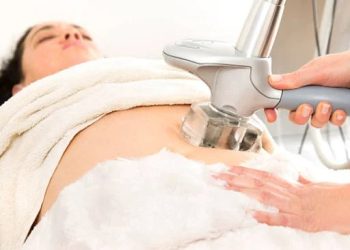
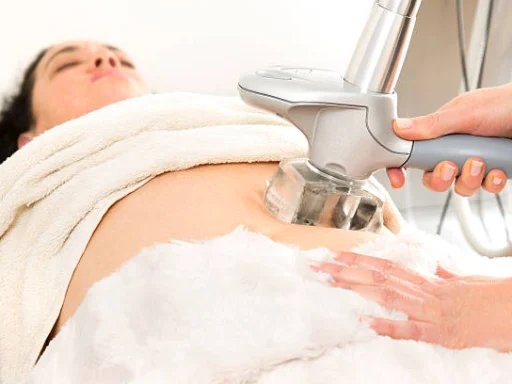
Ultrasonic cavitation uses low-frequency ultrasound waves to target fat cells beneath the skin. These sound waves create tiny bubbles around fat cells, causing the cell membranes to break apart. The released fat is then processed by the body’s natural lymphatic and metabolic systems before being eliminated over time. Unlike surgical liposuction, ultrasonic cavitation does not involve incisions, anesthesia, or significant recovery time.
One of the biggest concerns surrounding any cosmetic procedure is whether it increases the risk of cancer. Based on current scientific research, there is no credible evidence that ultrasonic cavitation causes cancer. The ultrasound technology used in aesthetic cavitation differs significantly from ionizing radiation, such as X-rays or gamma rays, which are known to damage DNA and increase cancer risk. Ultrasonic cavitation uses non-ionizing ultrasound energy, which does not alter genetic material or trigger cancerous cell mutations.
Medical ultrasound has been safely used for decades in diagnostic imaging, including pregnancy scans, without evidence of causing cancer. Although the intensity and purpose of cosmetic ultrasonic cavitation differ from diagnostic ultrasound, both rely on non-ionizing sound waves rather than radiation. This distinction is important because cancer development is generally associated with prolonged exposure to DNA-damaging radiation, not sound waves.
That said, ultrasonic cavitation is not suitable for everyone. Individuals with certain medical conditions should avoid the treatment or consult a healthcare professional beforehand. This includes people who are pregnant, have implanted medical devices such as pacemakers, suffer from severe liver or kidney disease, have active infections, or have a history of certain cancers where their physician advises against elective cosmetic treatments. While these precautions are important, they are not because the treatment causes cancer but because underlying health conditions may affect treatment safety.
Some people experience temporary side effects after ultrasonic cavitation. These may include mild redness, slight swelling, tenderness, increased thirst, or temporary warmth in the treated area. These effects usually disappear within a few hours or days. Drinking plenty of water before and after treatment, maintaining a healthy diet, and engaging in light exercise can help the body eliminate the released fat more efficiently.
For the best results, ultrasonic cavitation should be viewed as a body contouring treatment rather than a weight-loss solution. It works best for individuals who are already close to their ideal weight but struggle with localized fat deposits around the abdomen, thighs, hips, arms, or waist. Maintaining realistic expectations and following a healthy lifestyle are essential for long-lasting results.
Choosing a qualified and experienced practitioner is another important factor. Professional consultation before treatment helps determine whether you are a suitable candidate and ensures that the procedure is performed safely using approved equipment. Reputable clinics also review your medical history and explain potential risks and expected outcomes before beginning treatment.
In conclusion, current medical evidence does not support the claim that ultrasonic cavitation causes cancer. The procedure uses non-ionizing ultrasound energy, which has not been shown to damage DNA or increase cancer risk. When performed by trained professionals on appropriate candidates, ultrasonic cavitation is generally considered a safe and effective option for non-surgical fat reduction. If you have existing medical conditions or concerns about your personal health, consult your physician before undergoing any cosmetic procedure to ensure it is appropriate for your individual situation.